Stop the Slip: Best No Escape Dog Harness Guide 2026
Every pet parent knows that heart-stopping moment when your dog suddenly spooks, twists their body like a gymnast, and nearly slides right out of their gear. Whether you have a “Houdini” breed like a Greyhound or a nervous rescue who tends to back out of things when startled, standard equipment often isn’t enough to keep them safe.
Choosing a No Escape Dog Harness is about more than just a walk; it’s about the peace of mind that comes from knowing your best friend is physically incapable of slipping away in a high-traffic area or on a remote trail. In 2026, safety technology has evolved to provide even more secure, ergonomic, and lightweight options for dogs of all shapes and sizes.
Why Standard Harnesses Often Fail
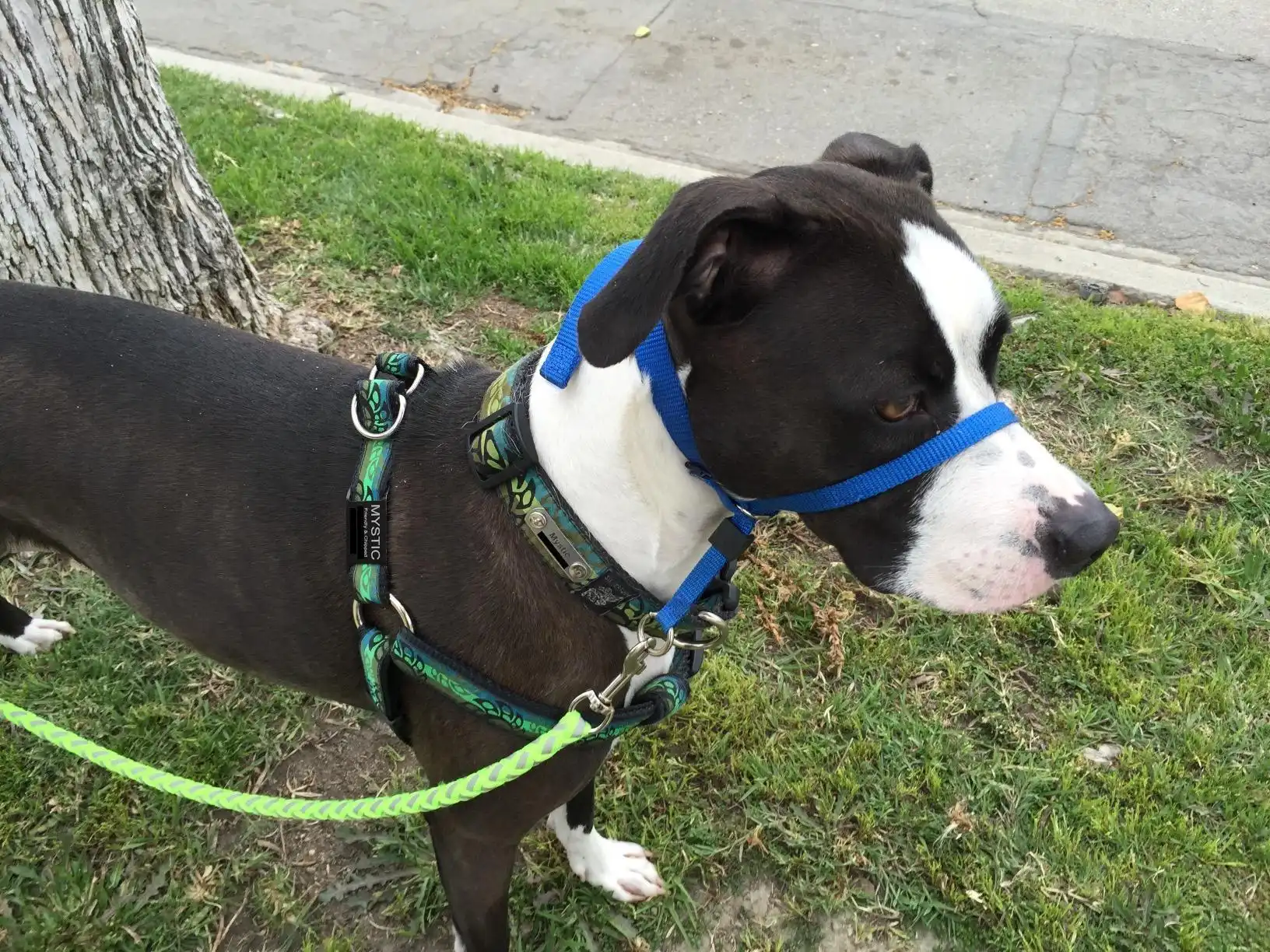
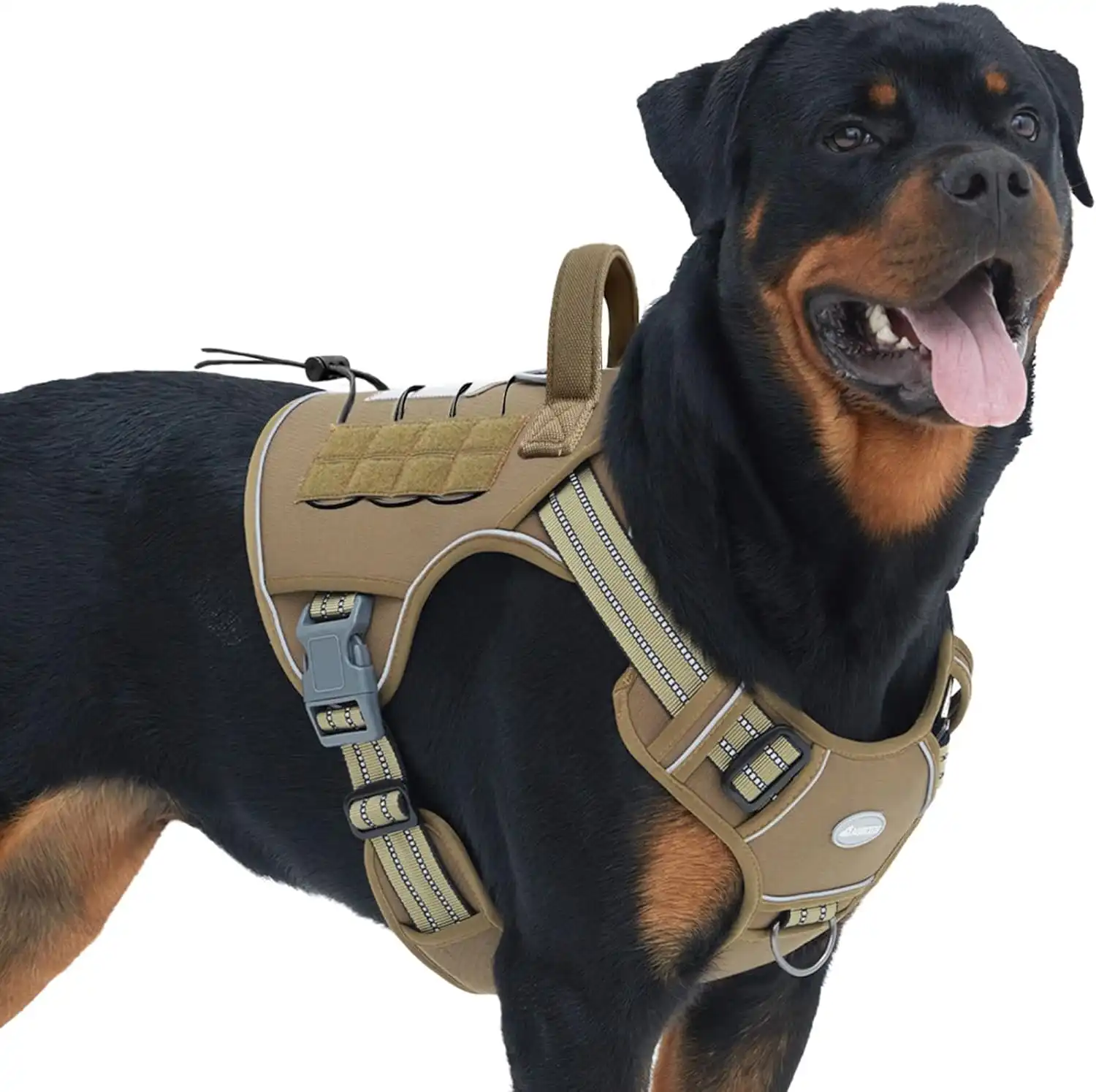
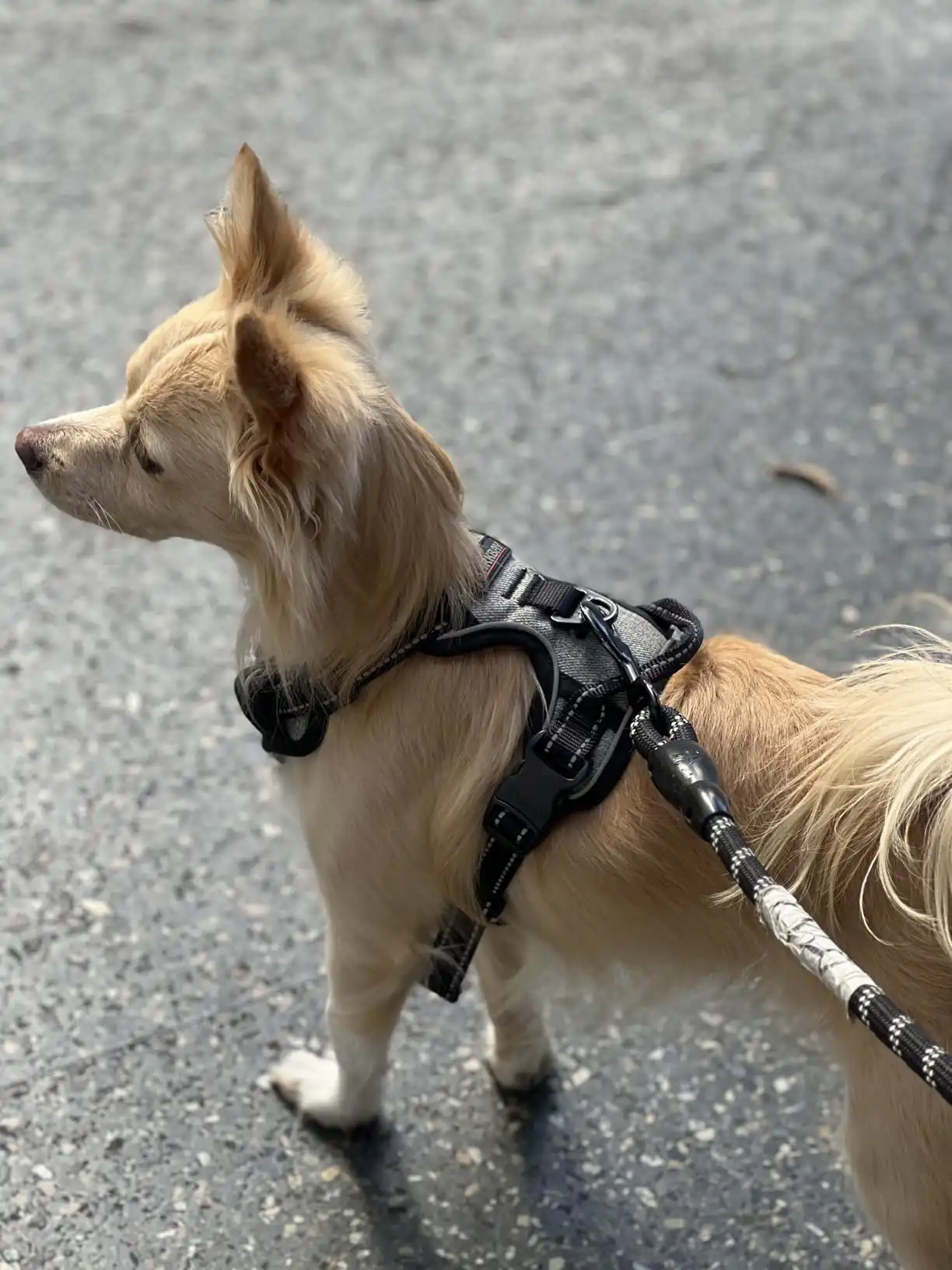
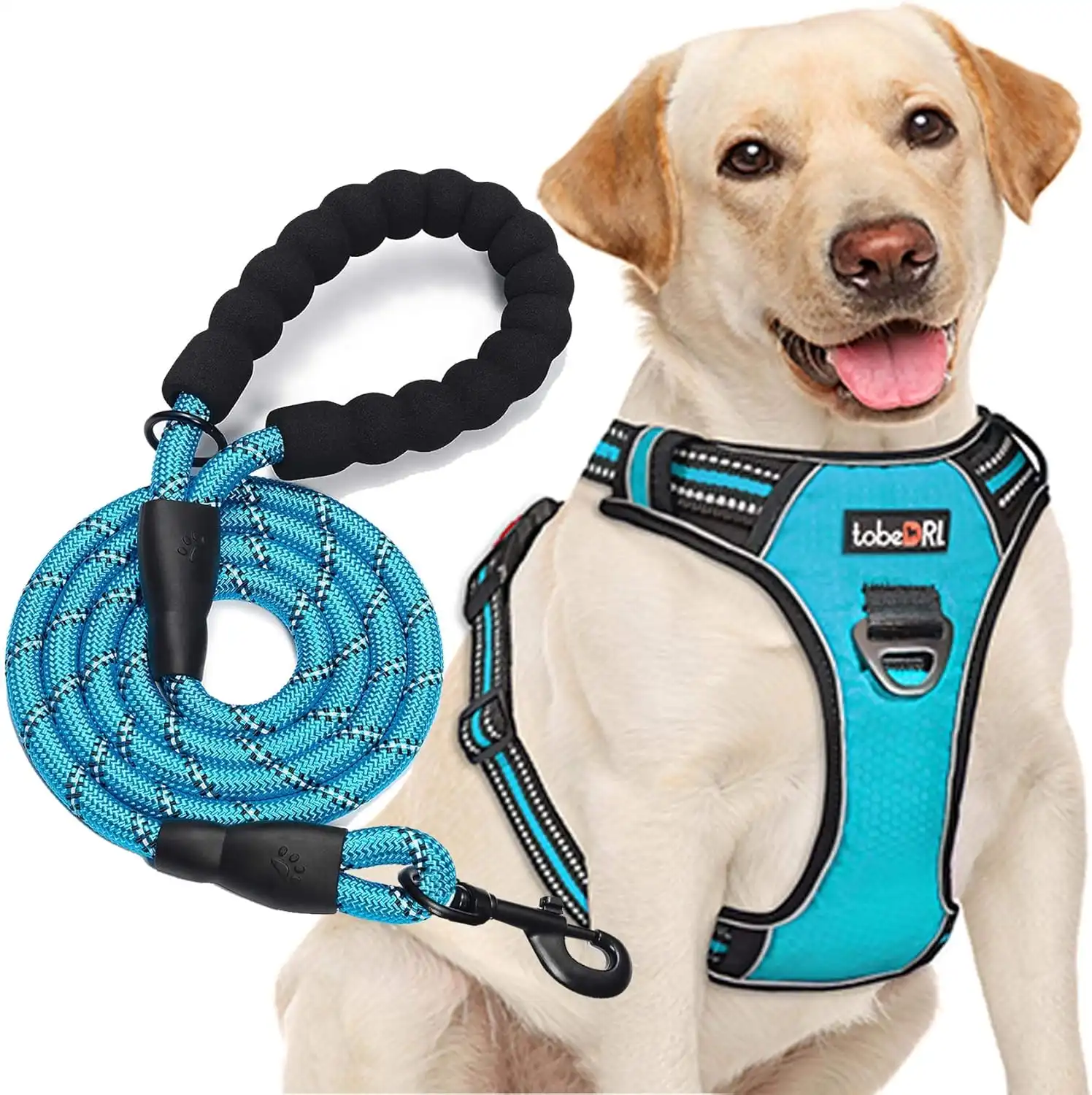
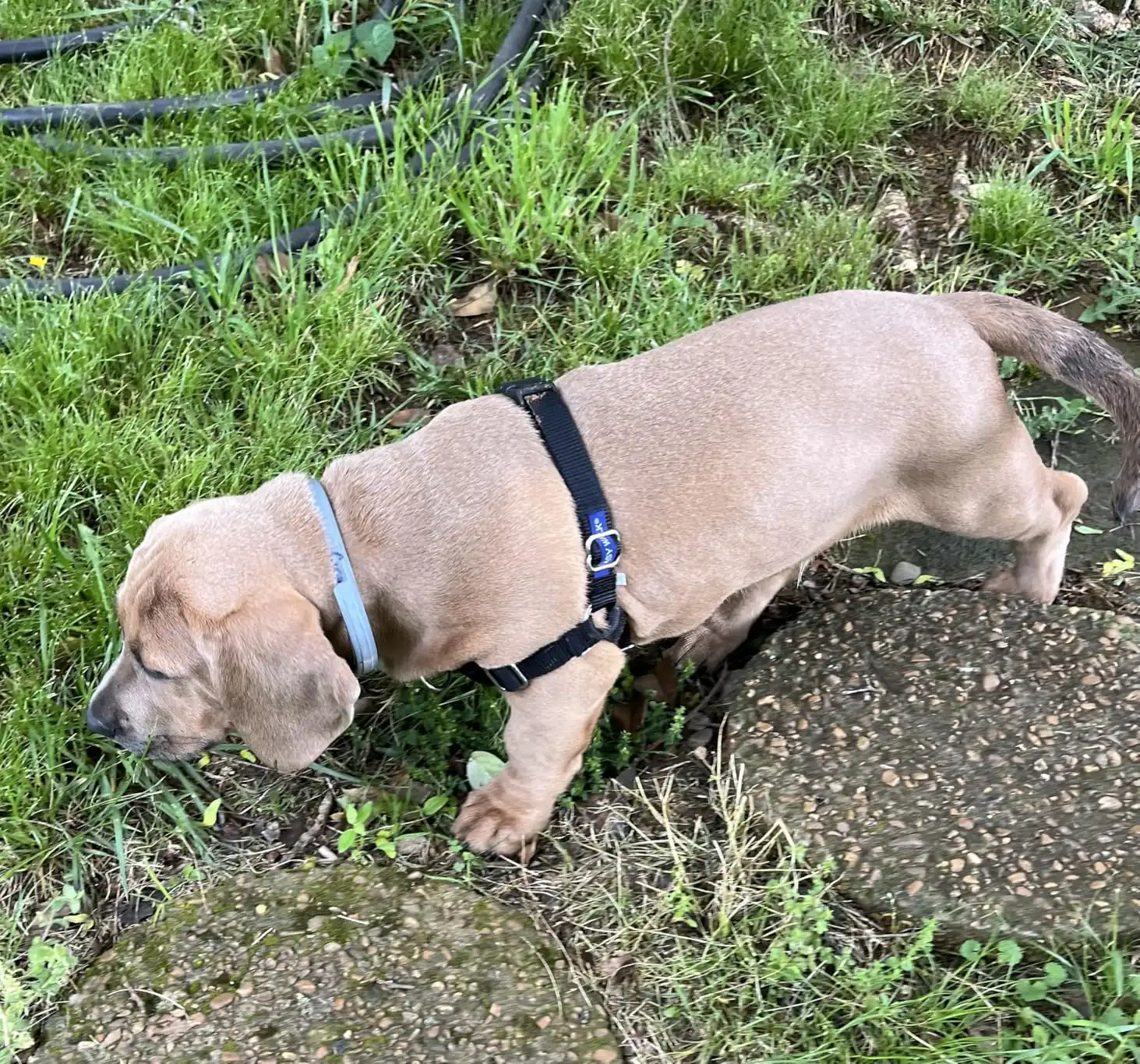
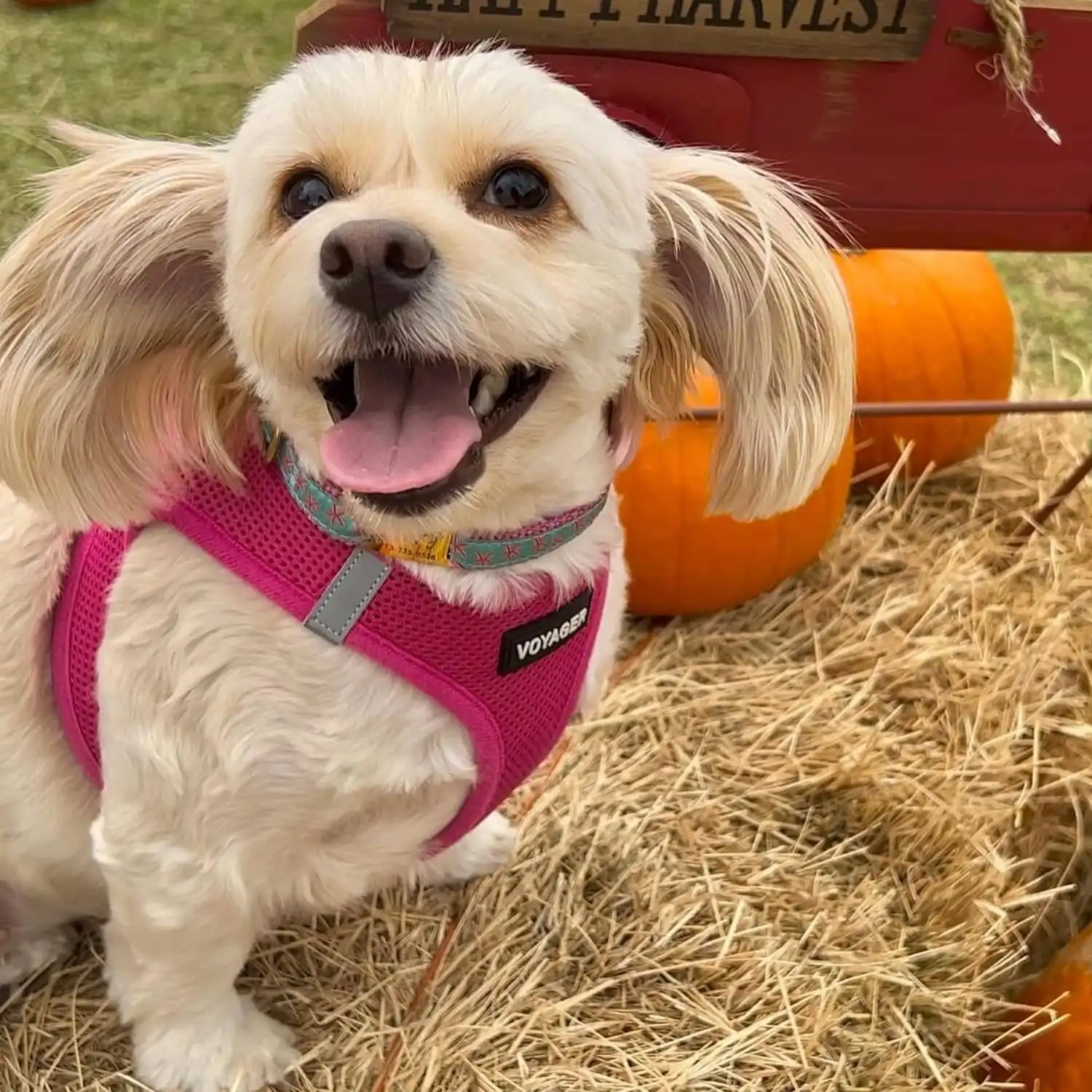
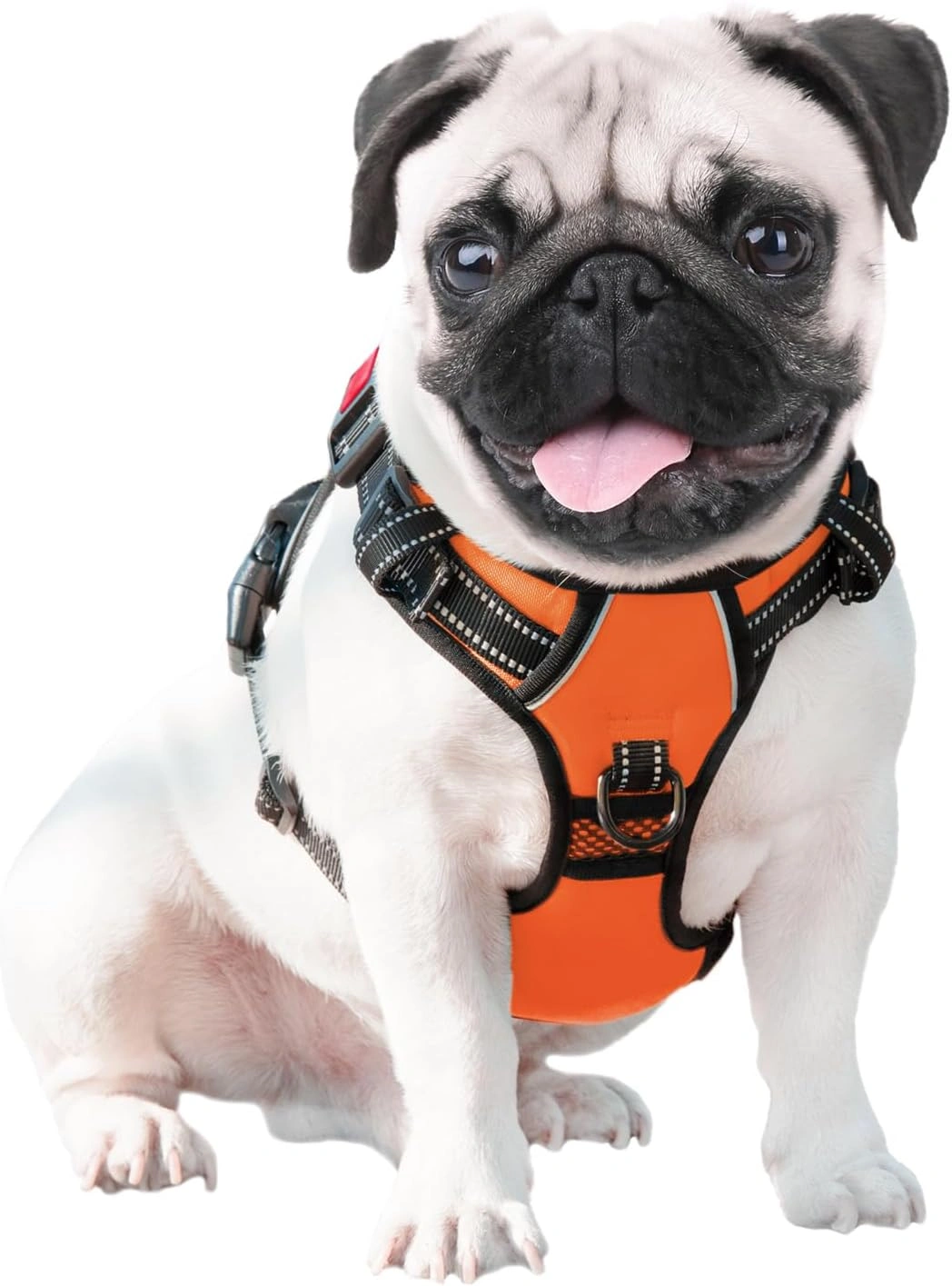
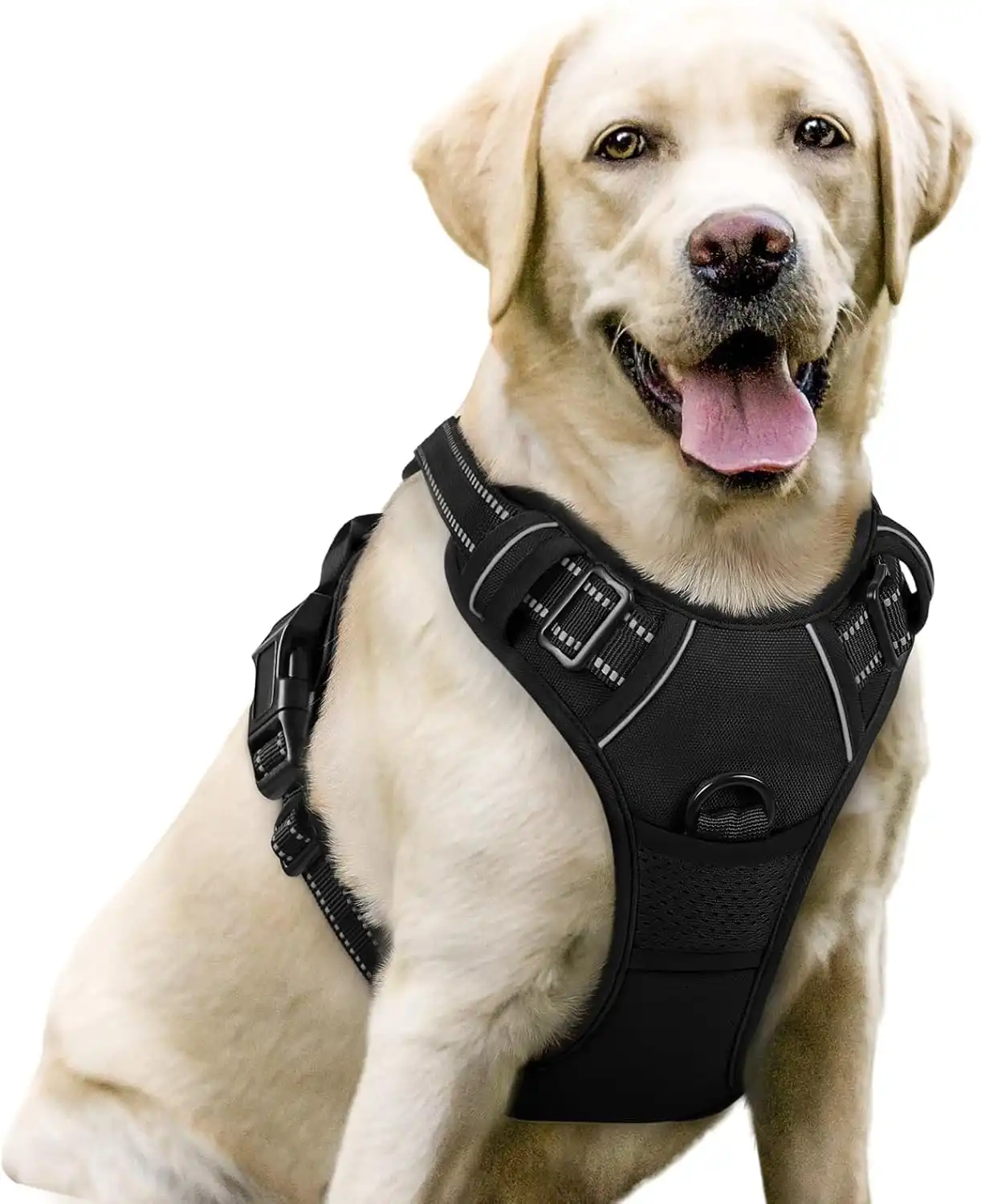
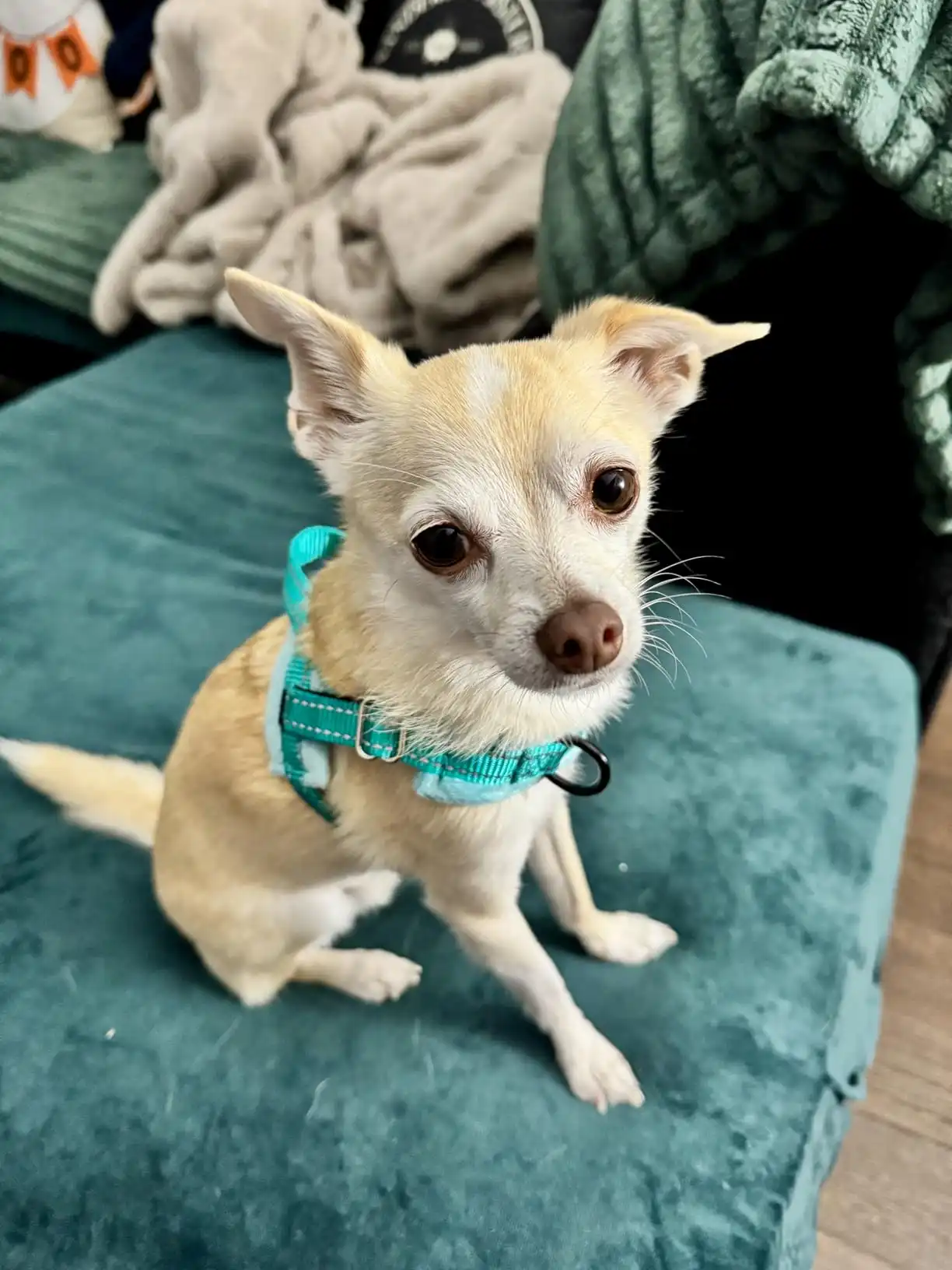


Most traditional harnesses rely on a single strap behind the front legs. While great for general walking, they have a major design flaw: if a dog backs up and tucks their head, the harness can slide forward over the shoulders.
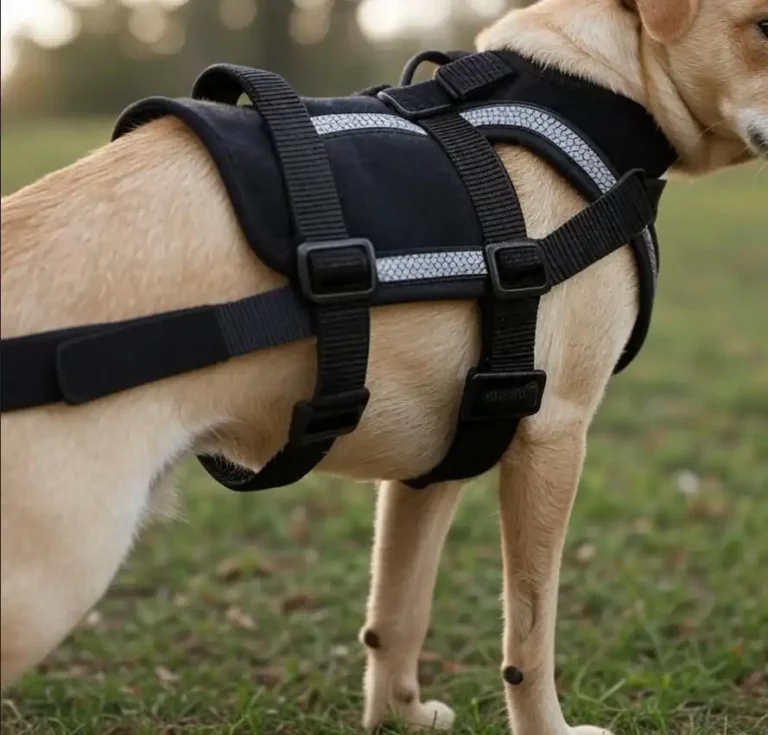
An escape-proof design solves this by adding a third strap that sits further back on the dog’s waist. Because this area is narrower than the chest, the harness physically cannot be pulled forward over the ribcage.
Key Features to Look for in 2026
When shopping for a high-security harness this year, look for these updated safety standards:
- The Triple-Strap System: Ensure the harness has three points of contact: the neck, the chest, and the lower ribcage/waist.
- Five to Six Adjustment Points: Every dog is built differently. Multiple adjustment points allow you to customize the fit so there are no “gaps” for a paw to slide through.
- Padded “Y-Front” Design: Modern harnesses prioritize shoulder health. A Y-shaped chest piece ensures that your dog’s natural gait isn’t restricted, preventing long-term joint issues.
- Integrated Safety Handles: A sturdy top handle is essential for “lift-and-assist” moments or for quickly grabbing your dog in an emergency.
- Reinforced Hardware: Look for aluminum V-rings or heavy-duty Duraflex buckles that won’t snap under the pressure of a sudden lunge.
Benefits for Anxious and Rescue Dogs
For many pet parents, a secure harness is a vital tool for behavioral training. Many dogs suffer from “environmental “—fear of loud noises, cars, or strangers.
Pro Tip: The gentle pressure of a well-fitted, full-body harness can actually have a calming effect on anxious dogs, similar to a “Thundershirt.”
By removing the risk of escape, you can focus entirely on positive reinforcement and decompression during your walks, rather than constantly checking if the buckles are holding.
Finding the Perfect Fit
A No Escape Dog Harness only works if it fits correctly. Follow these steps to ensure a 2026-standard fit:
| Measurement Area | How to Measure |
| Lower Neck | Measure at the base of the neck where it meets the shoulders. |
| Chest Girth | Measure the widest part of the ribcage. |
| Waist/Tummy | Measure the narrowest part of the torso (behind the ribs). |
The Two-Finger Rule: You should be able to fit two fingers (and only two!) between the straps and your dog’s body. If you can fit more, it’s too loose; if it’s tight against your fingers, it’s too snug.
Final Thoughts for 2026 Pet Parents
Your dog’s safety is the foundation of every adventure you take together. Investing in a high-quality, escape-proof system isn’t just a purchase—it’s a safety net. As we move through 2026, the combination of breathable, “adventure-proof” materials and ergonomic designs means your dog can stay secure without sacrificing a bit of comfort.
About the Author

You Might Also Like