
How to Reduce Pet Shedding at Home: Real Solutions
You vacuum on Monday and by Wednesday the couch looks like it grew a new coat. If you share your home with a dog, cat, or even a rabbit, you already know that shedding isn’t a problem you solve once — it’s something you manage continuously. Most owners assume it’s just the price of having a pet. The reality is that a lot of that fur is preventable, or at least dramatically reducible, with the right approach.
Shedding is normal. Every healthy pet with fur or hair will shed to some degree. But excessive shedding is almost always a signal — poor diet, wrong brush, infrequent grooming, seasonal overload, or stress — and each one has a practical fix. This isn’t about eliminating fur from your life. It’s about getting control of it.
Whether you have a German Shepherd that leaves tumbleweeds in the hallway or a cat that somehow embeds fur into your work shirts, here’s what actually helps — broken down by cause, by animal, and by what you can start doing this week.
Why Your Pet Is Shedding More Than You Expect

Two big shedding seasons hit most dogs and cats hard: spring and autumn. During these periods, pets dump their undercoat in preparation for temperature changes, and it can look alarming. A husky in spring will shed enough fur to stuff a pillow — and that’s completely normal. The mistake owners make is assuming nothing can be done during these peak windows.
Seasonal Coat Blowouts
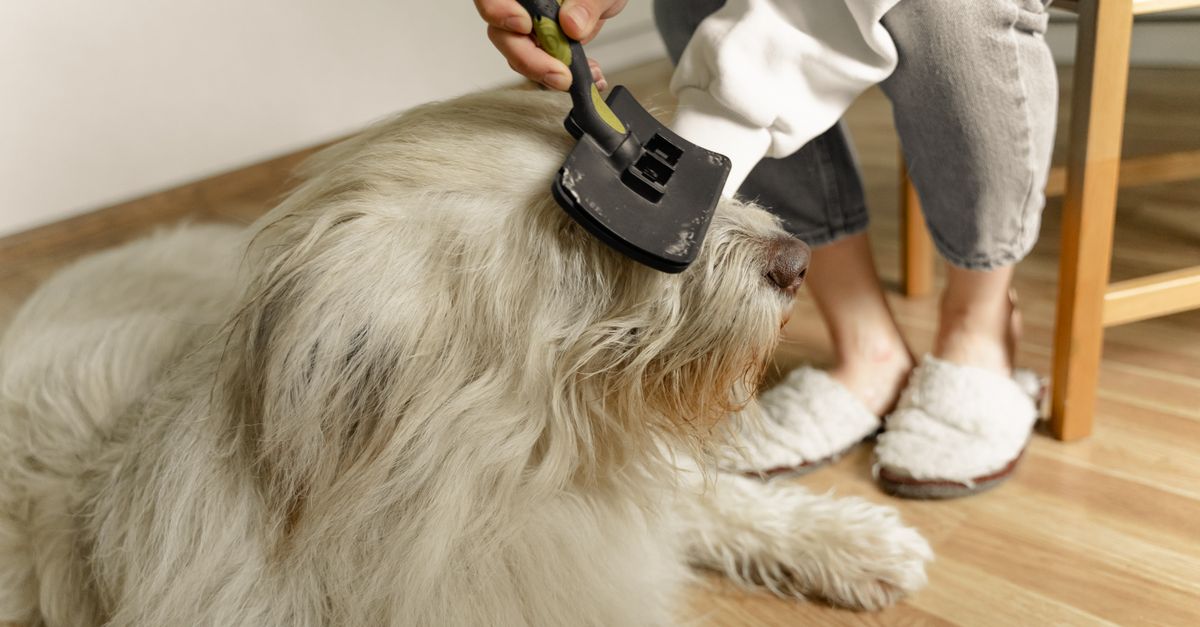
Double-coated breeds — huskies, golden retrievers, border collies, Maine coons — experience what’s called a “coat blowout” twice a year. The undercoat loosens en masse and needs to be actively removed, not just waited out. Brushing every day for two to three weeks during a blowout can cut the loose fur on your furniture by more than half. A slicker brush followed by an undercoat rake is the most effective combination for these breeds. Skipping even a few days lets the loose fur mat and become harder to remove later.
Stress and Illness as Triggers
Sudden increases in shedding outside of season are worth paying attention to. Stress is a genuine trigger — a new baby in the house, a move, a change in routine can all cause a pet to shed more than usual. You can learn to read the difference between normal and stress-related physical responses by understanding your pet’s body language, which often shows anxiety before the physical symptoms become obvious. Illness, thyroid issues, and parasites can also spike shedding; if brushing and diet changes don’t help within four to six weeks, a vet visit is worth it.
Pro tip: Run a damp rubber glove over your upholstery before vacuuming. The static pulls embedded fur to the surface in seconds — far more effective than a vacuum alone on fabric.
The Right Brush for the Right Coat
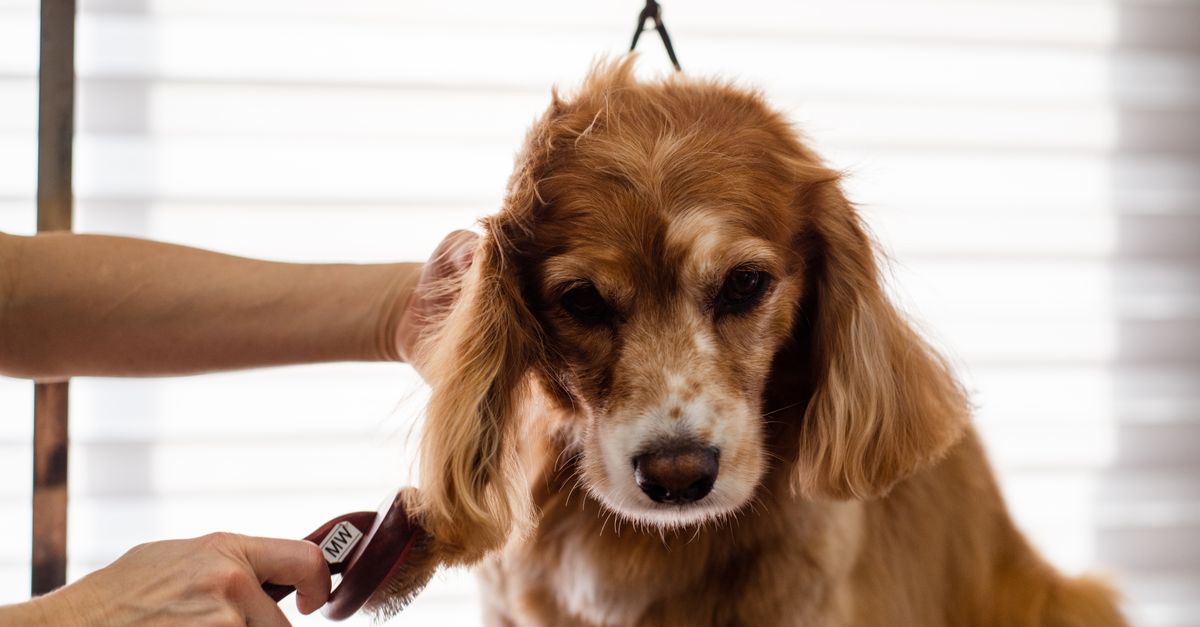
Using the wrong brush is one of the most common grooming mistakes pet owners make. A bristle brush does almost nothing for a thick double coat. A metal pin brush on a short-haired cat will irritate the skin without removing much fur. Matching tool to coat type is what makes brushing sessions actually productive.
Dogs: Match Brush to Coat Type
For short, smooth coats (beagles, boxers, dachshunds), a rubber curry brush or grooming mitt used in circular motions two to three times per week is enough. For medium to long coats, a slicker brush detangles and removes surface fur, but you need a deshedding tool like a Furminator or a wide-tooth undercoat rake to reach the layer underneath. Use the undercoat tool no more than once a week — overdoing it can irritate the skin. For our full breakdown of technique, the at-home pet grooming guide covers brush strokes, direction, and timing in detail.
Cats: Frequency Matters More Than Force
Most cats tolerate short, gentle sessions far better than long ones. Five minutes every other day beats a 20-minute session once a week for both fur control and your cat’s cooperation. A fine-toothed metal comb works well for medium-haired cats; for longhairs like Persians or ragdolls, a wide-tooth comb first, then a slicker brush. Never yank through a mat — work from the tip inward, or use a small amount of cornstarch to loosen it before combing.
Small Pets: Rabbits and Guinea Pigs
Rabbits shed heavily every three months, with two of those sheds being particularly intense. A soft slicker brush during shedding season and a rubber grooming mitt in between is a practical routine. Guinea pigs need a soft-bristled brush weekly. Unlike dogs and cats, these small animals groom themselves and ingest loose fur — in rabbits especially, this can cause dangerous GI blockages, so staying on top of brushing isn’t optional.
Diet’s Direct Impact on How Much Your Pet Sheds

Coat quality is built from the inside. A pet eating a diet low in quality protein or essential fatty acids will almost always shed more than one eating well — and the coat will look dull and feel dry to the touch. This is one of the most actionable levers you have.
Omega-3 fatty acids are the single biggest dietary factor in reducing excessive shedding. Fish oil — specifically EPA and DHA from marine sources — supports skin barrier function, reduces inflammation, and produces a coat that holds onto fur longer. For a 50-pound dog, a typical starting dose is around 1,000mg of EPA+DHA combined per day, but check with your vet for your specific pet’s weight and health status. Flaxseed oil contains ALA, which dogs and cats convert poorly; marine-sourced fish oil is significantly more effective.
Food transitions can also disrupt the coat temporarily. If you’ve recently switched your pet’s food and noticed increased shedding, give it four to six weeks for the new diet to show up in coat condition — skin and fur take time to reflect nutritional changes.
Bathing Schedules That Actually Help
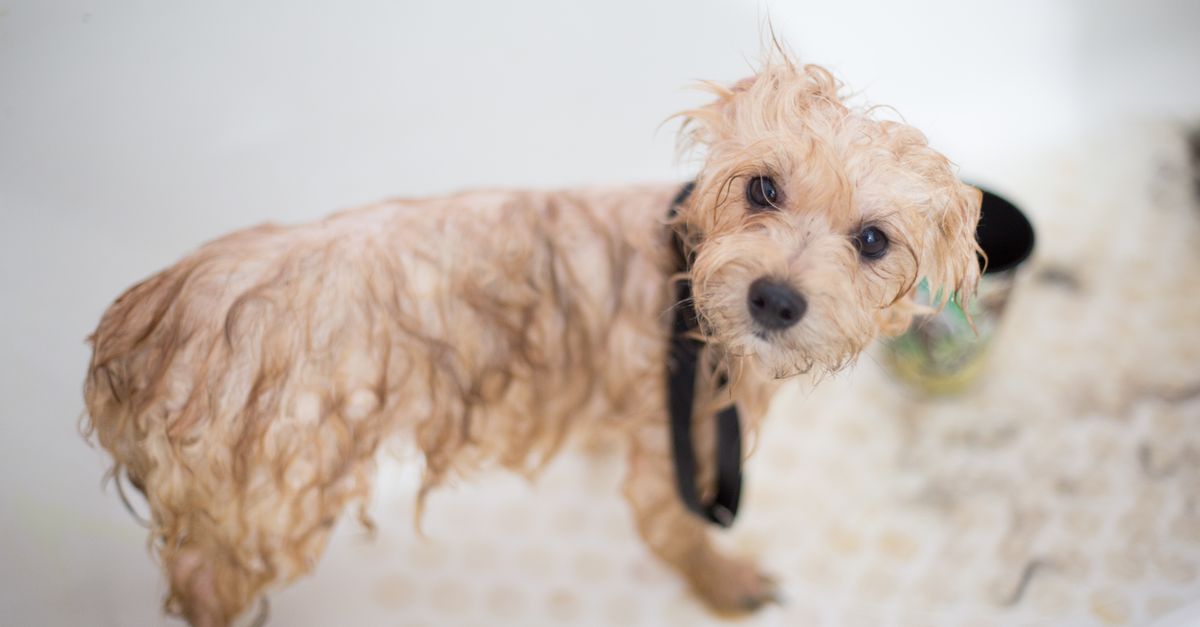
A proper bath loosens and removes dead undercoat far more efficiently than brushing alone — but timing and technique matter. Bathing too frequently strips the skin’s natural oils, which leads to dry, flaky skin and, ironically, more shedding. For most dogs, once every four to six weeks is the sweet spot. Heavy shedders can benefit from a deshedding shampoo and conditioner (look for formulas with omega fatty acids and moisturizers) used during peak shedding season.
The sequence is important: brush first to remove loose fur and detangle, then bathe, then blow-dry on a low-heat setting while brushing again. That final blow-dry brush-out removes an enormous amount of undercoat that the bath loosened. Skipping it means all that fur dries and ends up on your floor over the next two days instead.
For cats, bathing is rarely necessary and often counterproductive unless your vet specifically recommends it. Focus on brushing and diet instead. If your cat is a breed prone to oily skin, like a Devon Rex, a monthly wipe-down with a damp microfiber cloth is usually sufficient.
Warning: Never use human shampoo on pets. The pH of human skin is significantly more acidic than pet skin, and human shampoos will disrupt your pet’s skin barrier, leading to irritation and increased shedding over time.
Managing Fur Around the House Without Losing Your Mind

Even with excellent grooming habits, some fur will end up in your home. Managing it efficiently means choosing the right tools and building a few quick habits rather than doing marathon cleaning sessions.
A robot vacuum running daily — or at minimum every other day — prevents fur from accumulating into the kind of buildup that becomes genuinely difficult to remove from carpet fibers. If you’re relying on a traditional vacuum once a week, you’re always playing catch-up. It’s also worth knowing that pet fur significantly affects your HVAC system, clogging filters faster and reducing air quality — changing your filter every 30 to 45 days instead of the standard 90 is a practical adjustment for pet households.
For furniture, a slightly damp sponge or rubber squeegee dragged across upholstery in one direction gathers fur into a strip you can pick up easily. Washable slipcovers on frequently used furniture are worth the investment — they can go in the wash weekly without any special treatment. Designate one or two pet-friendly spots with washable blankets so your dog or cat gravitates there instead of spreading fur across every surface.
Keeping pet beds clean and deodorized on a regular schedule also reduces the amount of loose fur that migrates from the bed to the rest of the room — fur that’s already shed collects in bedding and gets redistributed every time your pet moves.
Frequently Asked Questions
My pet is on a good diet and I brush regularly, but shedding hasn’t improved. What else could be causing it?
If you’ve been consistent for six or more weeks with no improvement, look at water intake — chronically dehydrated pets often have poor skin and coat condition. Check out the signs your pet may not be drinking enough and how to address it. Beyond that, hormonal imbalances (hypothyroidism in dogs, hyperthyroidism in cats), allergies, and even certain medications can drive persistent shedding. A full blood panel from your vet will rule out the medical causes quickly.
Does spaying or neutering affect how much a dog or cat sheds?
Yes, and it’s more significant than most owners realize. Intact animals have higher levels of sex hormones that influence coat growth cycles. After spaying or neutering, some pets temporarily shed more as the coat adjusts to the hormonal shift — this typically resolves within three to four months. Spayed female dogs, in particular, can sometimes develop a softer, denser undercoat post-surgery, which requires more frequent brushing to prevent matting.
Can air quality or indoor humidity affect how much my pet sheds?
Dry indoor air — especially in winter when heating systems run constantly — dehydrates your pet’s skin just like it does yours, increasing flaking and loose fur. Keeping indoor humidity between 40% and 60% with a humidifier can make a noticeable difference in coat condition over four to six weeks. It’s a small change that’s easy to overlook but genuinely affects skin health. If your pet also seems to be restless or scratching more than usual, dry air combined with boredom-related over-grooming may both be contributing.